
"coffee pests"
4000 article(s) found

How do you drink JAVA Java coffee? How about Java coffee? Java coffee flavor
Professional coffee knowledge exchange more coffee bean information please follow the coffee workshop (Wechat official account cafe_style) among the coffee-producing countries, Indonesia is a very noteworthy one. Indonesia is an island country in the Indian Ocean, the islands are distributed on both sides of the equatorial line, of which three islands: Java, Sumatra, Sulawesi, produce the world's important coffee. In the mid-17th century, the Netherlands

Research says wild coffee beans will become extinct in the future if global warming continues
[global Science and Technology Comprehensive report] according to a report by Singapore's Lianhe Zaobao on September 4, the Australian Climate Research Institute pointed out in a newly released research report that if global warming continues on the current trajectory, wild coffee beans could become extinct by 2080. According to reports, researchers say that due to rising temperatures and rampant pests and fungi, it is estimated that the number of farmland suitable for growing coffee trees worldwide will decrease by 2050.

What is the taste and taste of java coffee beans in Java, Indonesia? Indonesian Arabica Variety Java
Professional coffee knowledge exchange more coffee bean information please follow the coffee workshop (Wechat official account cafe_style) Indonesia Java java coffee beans how the flavor and taste? How to cook Java coffee beans of Arabica variety in Indonesia? Java coffee from the Indonesian island of Java, originally belonging to Arabica coffee. Diseases and insect pests make Java rich in high-quality Arabica coffee

Boutique coffee specialty coffee coffee bean variety
Abstract: coffee trees are generally divided into three categories: Arabica species, Robesta species and Liberika species. With regard to the cultivation of crops, seed selection is a very important factor. Every year, agronomists are studying higher quality and higher yield varieties of wheat, soybeans and corn, as well as how to make apples more delicious, beautiful and resistant to diseases and insect pests. in fact, the same is true of coffee.
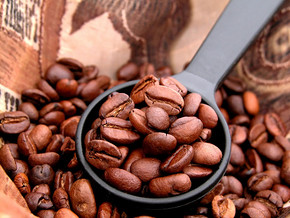
Description of the flavor of robusta coffee beans. How to distinguish robusta coffee beans?
Follow the caf é (Wechat official account vdailycom) found that the beautiful cafe opened its own small shop, "Robusta" coffee, commonly known as "thick beans", can be grown in low altitude areas (200m to 800m above sea level), strong resistance to diseases and insect pests, not vulnerable to agricultural pests, the annual output of coffee trees per unit area is higher, the use of machines to harvest a large number of coffee, in general, the production cost is much lower than A

Zambian coffee producing areas produce fresh fruit and acidity
Professional coffee knowledge exchange More coffee bean information Please pay attention to Coffee Workshop (Weixin Official Accounts cafe_style) Front Street-Zambia Coffee Introduction Coffee was brought into Zambia by missionaries from Tanzania and Kenya in the 1950s. Coffee production, however, had to wait until the late s and early s, when funding from the world bank

What is organic coffee beans Organic Coffee organic coffee
In many parts of the world, growers use pesticides to control the growth of coffee pests, and moist and foggy coffee at high altitudes are more vulnerable to fungi, so growers often use pesticides to treat them. Many people believe that coffee can be called organic coffee as long as synthetic pesticides, herbicides and chemical fertilizers are not used during coffee growth. in fact, it is only in third parties (except coffee makers and producers).

Robota beans contain more caffeine than Ali than Kadou, which can easily lead to palpitations and insomnia.
Professional coffee knowledge exchange more coffee bean information please pay attention to the coffee workshop (Wechat official account cafe_style) Robusta coffee commonly known as thick beans, low altitude (200m to 800m above sea level) can be planted, strong resistance to diseases and insect pests, not vulnerable to agricultural pests, the annual output of coffee trees per unit area is higher, the use of machines to harvest a large number of coffee, in general, the production cost is much lower than A

Strong Java Coffee Flavor description method introduction to the price of high-quality coffee beans
Java produces only a small amount of Arabica beans, most of which were imported from Africa after the rust disaster. This coffee has a strong bitter taste after roasting, but the aroma is extremely light. Although the acidity is low and the taste is delicate, it is rarely used for direct drinking. It is often used to mix mixed coffee or to make instant coffee. Diseases and insect pests are really a powerful thing, it makes Pakistan
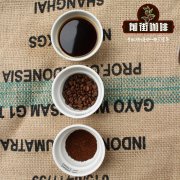
What are the three major coffee varieties in the world? what is the flavor and taste of Liberian coffee?
Professional coffee knowledge exchange more coffee bean information please follow the coffee workshop (Wechat official account cafe_style) according to botany or coffee bean species to classify, in fact, there are more than 60 kinds of coffee! There are also 25 artificially selected and cultivated species, but only a few of them are available for commercial use, and these three are known as Liberia (big fruit), Robusta (middle fruit) and
Honduran Coffee Variety Introduction Honduran Coffee Bean Flavor New Generation Fruit Flavor
Professional coffee knowledge exchange More coffee bean information Please pay attention to coffee workshop (Weixin Official Accounts cafe_style) Front Street-Honduras coffee cultivation in Honduras, the earliest can be traced back to 1804, from Costa Rica to Honduras Olancho region, most of the cultivation by the Spanish colonists at that time owned, Honduras after independence, several consecutive terms
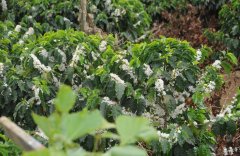
The Origin and Development of Yejashefi Coffee Peasant Union (YCFCU) and Hofsha Cooperative treatment Plant
For the exchange of professional baristas, please follow the Coffee Workshop (Wechat official account cafe_style) Hofsha Harfusa Cooperative processing Plant Information introduction Hofsha was originally a village name in the town of Ethiopia. Hofsa Cooperative was established as early as 1975 and can be said to be the vanguard of the first wave of cooperative movement in Ethiopia. There are currently about 843 members. On average, small farmers
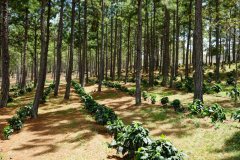
Where exactly is coffee produced? what's the difference between different varieties of coffee?
Communication of professional baristas Please pay attention to the production of coffee in the coffee workshop (Wechat official account cafe_style) where on earth is coffee produced and which plants grow from plants? Here, we will talk about the production of coffee, such as the representative countries of coffee, the plant types that coffee beans can take. [coffee production] Coffee in coffee producing areas, the equator spans the north and 25 degrees north back.

The planting conditions of coffee trees the types of coffee trees
The Robastian coffee tree, which originated in the Congo in Africa, accounts for about 20% of the world's production. 30%. Robasta coffee tree is suitable for planting in the lowlands below 500 meters above sea level, has strong adaptability to the environment, can resist bad climate, resist diseases and insect pests, and does not need much manual care during soil preparation, weeding and pruning, and can be allowed to grow in the wild. It is easy to cultivate.

The proportion of coffee powder to water in the variety of fine coffee.
Produced in Brazil and is a hybrid of Bourbon and Sumatra. Strong environmental adaptability, resistance to diseases and insect pests, high yield. Trees up to more than three meters high should not be harvested, the taste is more balanced, the taste is close to the traditional varieties. Catuai Carduwey is an excellent variety, which is suitable for the severe climate at high altitude and has high yield. it was first produced in Brazil and is a hybrid of caturra and mondu nove.

The grinding scale of the strong Java coffee beans, the variety of the estate, the introduction of the processing method of the production area
Java produces only a small number of arabica beans, most of which are romsda beans imported from africa after the rust disaster. This coffee has a strong bitter taste after roasting, but the aroma is extremely light. Although the acidity is relatively low and the taste is relatively delicate, it is rarely used for direct drinking. It is often used to blend coffee or to make instant coffee. Pest is such a powerful thing, it makes
Requirements for Inspection and Quarantine record of Coffee planting Base (Yunnan)
1. Base basic conditions and requirements 1.1 continuous and have a certain scale, the area should not be less than 100 mu. 1.2 there shall be a natural or artificial effective isolation zone around the base. 1.3 No pollution sources around the base, such as chemical plants, paper mills, professional feeding

Flavor description of Yunnan Tieka Coffee Bean introduction to the characteristics of varieties produced in the manor area
The so-called new variety of Yunnan Tieka coffee beans actually refers to catimor (Katimo), which is a hybrid of timor and Arabica from the Roberta family. Compared with the old varieties, it lacks rich aroma and taste, and has a relatively shallow smell of grass and soil, but it has the advantages of resistance to diseases and insect pests, easy to manage, high yield and the highest yield per mu can reach 350kg.

Diseases of coffee trees at low elevations cause kernels to shrink gradually during fruit growth.
Professional coffee knowledge exchange more coffee bean information Please pay attention to the disease occurred in the coffee workshop (Wechat official account cafe_style) at low altitude, so that the kernel gradually shrinks during the fruit growth process, forming a black film, while the fruit appearance is normal. This kind of fruit not only wastes the cost of manual harvest, but also reduces the yield and quality of raw beans. The damage rate can reach 80%.
What are the differences between Arabica and Robusta coffee varieties
The most common kind of coffee we have on the market is two kinds of Arabica Calabasta, and they are actually two tree species, that is, coffee trees. Let's first take a look at the difference between these two kinds of coffee. Alabica (CoffeaArabica) Robusta (CoffeaRobusta) planting conditions are higher (600 to 2000 meters above sea level), poor resistance to diseases and insect pests, vulnerable to damage.